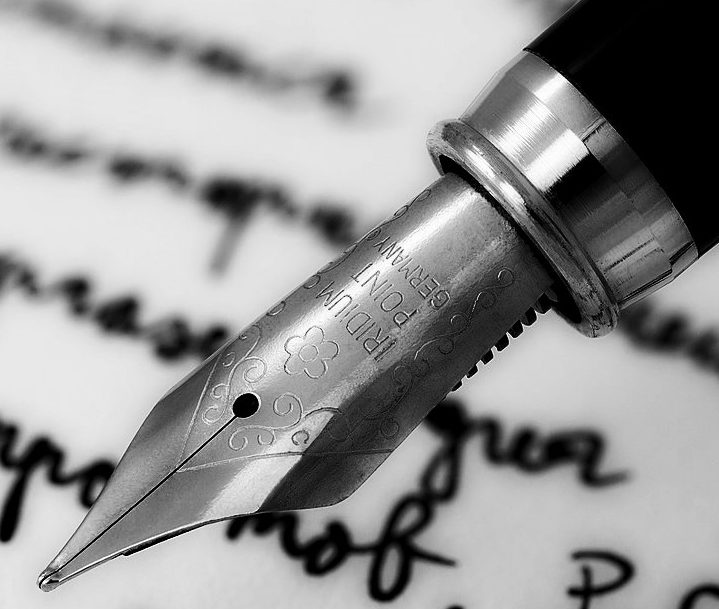
If you are really serious about comedy, I suggest starting with writing. Write exactly the way you talk, down to the inflection, because it will help you track timing. Timing is the difference between a good joke and a disaster. It is also the difference between a pretty good joke and causing someone to asphyxiate with laughter.
You know better than I do what kind of person you are. The reason I suggest that you start with comedic writing is that being on stage is so freaking difficult. I’ve never done five minutes at The Improv, but I’m an accomplished lay preacher, and it feels much the same. Even if you feel like your words are a gift to the masses and you are confident that what you’re about to say will ring true for your congregation, sometimes you get a little stage fright, anyway. If you’ve never had any experience being in front of a classroom or any kind of audience, you’re not ready to jump just yet. Being funny on stage doesn’t come from the jokes themselves, it comes from the way you work the crowd. If you know you don’t have those skills and you decide you want to do standup, practice on paper first.
That way, you have a chance to craft a joke out of something funny you said, because every joke tells a story regardless of length. You can’t just repeat what you said verbatim. You have to verbally set the scene so that the audience can not only hear what you’re saying, they can see it.
Spending time crafting your own jokes will also drive you away from the temptation to steal other comics’ work. You won’t have time, and it will seriously ice you from every comedian you’re trying to impress if they hear something another comic said before you. Too many people spend too much time trying to get noticed to have someone else get famous on their sweat. Listen to other people tell stories for styles that work, not the words themselves.
This leads to the most important thing about any kind of public speaking, but especially comedy. Find your rhythm. It has been proven that people remember words better if they’re set to a beat. Your voice is your music, so make it a song to go with your lyrics. Learn about dynamics, which words to accent and which ones to swallow as you move to the next. Standup comedy and storytelling are as mesmerizing as beats and hooks in rap if you can get the mood and tone just right.
Jim Gaffigan is a great example of this- he’s got a style and patois all his own. You remember his bits because his voice gets lodged in your brain. How many of you can’t hear him in your head singing the “Hot Pockets” jingle?
Another great example is Sam Kinison, who came up in Houston after being an evangelical pastor. He brought the dynamics of Southern gospel to comedy, and it worked for him. One of the funniest jokes he ever wrote, in my opinion, went something like this: “I don’t feel sorry for people starving in the desert. You’d think they’d be smart enough TO GO WHERE THE FOOD IS!” Memorable not because of what he said, but the way he said it.
Find your voice. No one wants to hear you doing your best Jim Gaffigan/Sam Kinison impression.
And finally, if you do nothing else, try to stick the landing.


 Stories That Are All True