

When people talk about “outgrowing hobbies,” they usually mean it in a linear, coming‑of‑age way, as if you shed interests the way you shed old clothes. That’s never been my experience. As an AuDHD person, my interests don’t fade so much as shift form. I’ve always had two lifelong special interests — intelligence and theology — and they’ve never felt like hobbies. They’re more like operating systems, the frameworks through which I understand the world, myself, and the patterns that hold everything together. Those aren’t going anywhere.
Around those two anchors, though, there’s a whole constellation of smaller, seasonal fascinations that flare up, burn bright, and then recede. They’re not abandoned; they’re completed. Some of the things I’ve “outgrown” weren’t really hobbies at all, just coping mechanisms I picked up before I had language for regulation. Cataloging, memorizing, repetitive games, deep‑dive research into hyper‑specific topics — those were survival strategies. When my life stabilized, the need for those rituals faded. I didn’t lose interest; I outgrew the pressure that made them necessary.
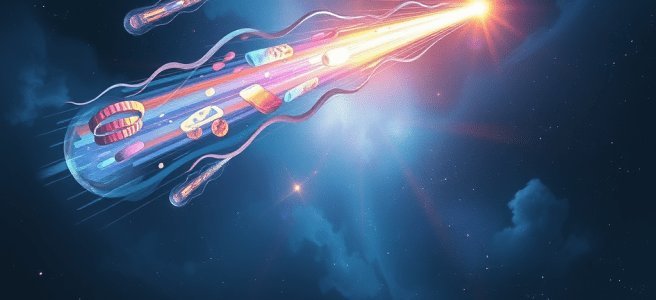
Other interests were comets. Hyperfocus is totalizing and temporary, and I can love something intensely for six months and then feel nothing for it ever again. That’s not failure. That’s just the natural cycle of my brain completing a loop. And then there are the things I genuinely enjoyed but can’t tolerate anymore because my sensory profile changed as I got older. Activities that once felt fun now feel too loud, too chaotic, too unstructured, or too draining. That isn’t outgrowing the hobby so much as outgrowing the sensory cost.
Some things fell away because they were never mine to begin with — hobbies I picked up because they were expected, or because they made me look more “normal,” or because someone else thought they suited me. Letting those go wasn’t losing interest; it was reclaiming my time. And then there are the interests that didn’t disappear at all, just shifted into a quieter register. I don’t do them anymore, but I still love the idea of them, the aesthetics of them, the memory of them. They’ve moved from the foreground to the background, like a familiar piece of music I don’t play but still know by heart.
I’ve outgrown things. But not in the way people usually mean. I haven’t shed interests; I’ve evolved past versions of myself. My mind works in seasons, not straight lines. And the things that stay — intelligence and theology — stay because they’re not hobbies. They’re home.
Scored by Copilot. Conducted by Leslie Lanagan.

 Stories That Are All True