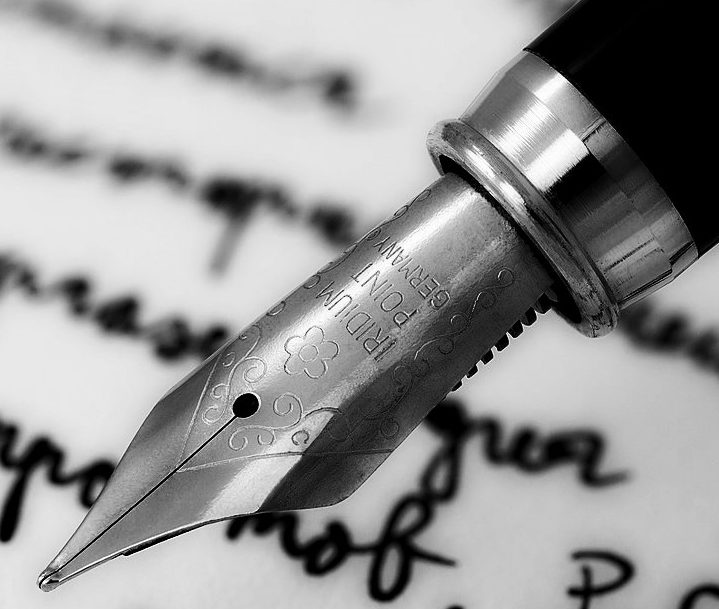

Journalism has always been a discipline shaped by constraints: deadlines that don’t move, facts that must be verified, limited time to turn raw information into something coherent enough for a reader to trust. Through every technological shift, the craft has survived because its symbolic core has remained intact. A human being goes out into the world, gathers information, interprets it, and takes responsibility for the words that follow. Assistive AI enters this landscape as both a tool and a threat—not because it intends to replace journalists, but because it can, and because the economic incentives around speed and scale make replacement tempting for institutions that have already hollowed out their newsrooms. The real question is not whether AI belongs in journalism, but whether it can be used in a way that strengthens the symbolic core instead of eroding it.
Assistive vs. Generative: The Line That Cannot Blur
The most important distinction in this conversation is also the simplest: assistive AI helps you write; generative AI tries to write for you. Assistive AI is a cognitive tool. It helps with structure, clarity, summarization, organization, and reducing cognitive load. It does not supply facts, invent events, or perform reporting. Generative AI, by contrast, produces content. It can fabricate sources, hallucinate details, and create the illusion of authority without the accountability that journalism requires. The symbolic difference is enormous. Assistive AI is a pencil sharpener. Generative AI is a ghostwriter. The future of journalism depends on keeping that line bright.
Why a News-Blind Local Model Is the Cleanest Boundary
One of the most promising approaches is the idea of a news‑blind local model—a system that has no access to the internet, no access to news, and no ability to supply facts. It can help a journalist think, but it cannot think for them. This solves several systemic problems at once.
If the model doesn’t know anything about the world, it can’t hallucinate a mayor, a crime, a quote, or a scandal. It preserves the reporter’s role by forcing the human to gather information, verify it, contextualize it, and decide what matters. It protects trust because readers don’t have to wonder whether the story was written by a machine scraping the internet. And it reduces burnout without reducing craft, allowing journalists to offload the mechanical parts of writing—tightening sentences, reorganizing paragraphs, smoothing transitions—while keeping the intellectual and ethical labor where it belongs.
The Symbolic Position of the Journalist
Journalism is not just a profession; it is a symbolic position in society. The journalist is the person who goes out into the world, gathers information, and returns with something true enough to publish under their own name. When AI writes the story, that symbolic position collapses. The byline becomes a mask. The accountability evaporates.
But when AI is used as a tool—a private assistant that helps the journalist articulate what they know—the symbolic structure remains intact. The journalist still chooses the angle, interprets the facts, decides what is newsworthy, and takes responsibility for the final product. The AI becomes part of the workflow, not part of the authorship.
Newsrooms as Systems of Constraints
Every newsroom is a system of constraints: deadlines, editors, beats, budgets, and the constant churn of events. Assistive AI fits naturally into this system because it reduces friction without altering the structure. A reporter can paste in interview notes and get a clean summary, reorganize a messy draft into a coherent outline, tighten a paragraph without losing their voice, or check for logical gaps or unclear transitions. None of this replaces reporting. It simply makes the work less punishing.
Generative AI, by contrast, breaks the system. It introduces uncertainty about authorship, accuracy, and accountability. It tempts editors to cut corners. It creates a symbolic rupture between the byline and the work. Assistive AI strengthens the system. Generative AI destabilizes it.
The Ethics of Invisible Tools
There is an emerging consensus that journalists should disclose when AI is used to generate content, but assistive AI complicates the conversation. If a reporter uses a tool to reorganize a paragraph or suggest a clearer sentence, is that meaningfully different from using Grammarly, spellcheck, or a style guide? The ethical line is not “AI was involved.” The ethical line is who supplied the facts.
If the journalist gathered the information, verified it, and wrote the story—even with AI-assisted editing—the symbolic integrity remains intact. If the AI supplied the facts, the story is no longer journalism. It is content. A news‑blind model makes this boundary self‑enforcing.
The Parts of Journalism AI Cannot Replace
There are parts of journalism that AI will never be able to do: knock on a door, earn someone’s trust, sit through a city council meeting, understand the emotional weight of a quote, decide what matters to a community, or take responsibility for a mistake. These are not mechanical tasks. They are human ones. They require presence, judgment, empathy, and accountability. Assistive AI can support these tasks by reducing the cognitive load around writing, but it cannot replace them. The craft survives because the craft is human.
A Hybrid Future Built on Intention
The most realistic future for journalism is not AI‑driven or AI‑free. It is hybrid. Journalists will gather facts, conduct interviews, and make editorial decisions. AI will help them write faster, clearer, and with less burnout. Editors will oversee the process, ensuring that the symbolic structure of authorship remains intact. The newsroom becomes a place where human judgment and machine assistance coexist—but do not compete. The key is intentional design. A system that uses AI as a tool strengthens journalism. A system that uses AI as a replacement destroys it.
Scored by Copilot. Conducted by Leslie Lanagan.


 Stories That Are All True