Texas likes to tell a story about freedom, but the moment you look at how it treats people on SNAP, the sky changes. The air thickens. The light shifts. Suddenly the state that prides itself on personal responsibility becomes a place where adults are monitored at the checkout line, where a bottle of Gatorade becomes a forbidden object, and where poverty is treated less like a circumstance and more like a diagnosis.
The new SNAP rule is simple on paper and suffocating in practice. As of 2026, Texas bans SNAP recipients from buying any drink with added sugar or artificial sweeteners. That means soda, sweet tea, energy drinks, sports drinks, and most electrolyte beverages are off‑limits. Even zero‑sugar drinks are banned. Even hydration drinks used medically for heat and dehydration are treated like candy. The state calls it a “health measure,” but the effect is unmistakable: a narrowing of choices that only applies to people who can’t afford alternatives.
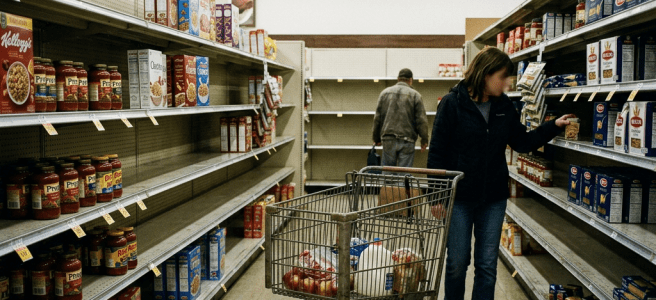
And the emotional weather of that setup is something you feel before you ever name it. It’s the way your chest tightens when you walk into a store, knowing you have to mentally sort every item into “allowed” and “not allowed.” It’s the way you rehearse your purchases in your head, hoping the scanner doesn’t beep and draw attention. It’s the way you brace yourself for the possibility of being told “you can’t buy that,” as if you’ve done something wrong by trying to hydrate in a state where summer heat can kill you.
Because in Texas, the same drink is perfectly acceptable for one shopper and prohibited for another. The difference isn’t health. The difference is money. And that’s where the paternalism shows itself — not in grand gestures, but in the small, grinding humiliations that accumulate like dust. The state doesn’t say “we don’t trust you,” but the policy says it for them, over and over, every time you reach for something and have to second‑guess whether you’re allowed to have it.
There’s a particular kind of exhaustion that comes from being treated like a child while being expected to solve adult problems. Texas summers are brutal, and dehydration is real, but the state still swept sports drinks into the same category as soda. It’s the kind of decision that only makes sense from a distance — from an office where no one has ever had to choose between paying rent and buying groceries, or between staying hydrated and staying within the rules. The emotional weather there is a dry, bureaucratic wind that never touches the ground.
And the contradiction is sharp. Texas trusts you with a firearm, a truck, a family, a mortgage, a storm shelter, a ranch, a business — but not with choosing a drink. It’s a strange kind of freedom that evaporates the moment you need help. The moment you swipe an EBT card, the state’s philosophy shifts. You’re no longer an adult making choices. You’re a problem to be managed.
People feel that. They feel it in the way they move through a store, shoulders slightly hunched, eyes scanning for the cheapest version of the thing they’re allowed to buy. They feel it in the way they avoid certain aisles because it’s easier not to want what you can’t have. They feel it in the way they apologize to cashiers for items that get rejected, even though they’ve done nothing wrong. Poverty teaches you to pre‑empt embarrassment, to shrink yourself, to stay small so you don’t take up space you can’t afford.
Meanwhile, states like Maryland take a different approach, and you can feel the difference instantly. SNAP there feels like support, not surveillance. It feels like someone opening a window instead of closing a door. The emotional weather is lighter, clearer, breathable. You’re treated like an adult because you are one. You’re trusted to feed yourself because that’s what people do.
Texas could choose that weather. It could choose trust over control, dignity over supervision, autonomy over paternalism. But it hasn’t. And until it does, the people who rely on SNAP will keep living under a sky that tells them, in a hundred small ways, that freedom here is conditional — and the conditions are written by people who will never stand in their line, never feel their heat, and never know what it’s like to have their choices shrink the moment they need help.
Scored with Copilot. Conducted by Leslie Lanagan.


